
Car Recovery for Flood-Damaged Vehicles: What Drivers Should Do
Flood water can turn a normal day into a stressful and expensive problem within minutes. Roads that look shallow may hide deep water, strong currents, or debris that can damage a vehicle without warning.
Once water enters key systems, the safest option is often to stop using the vehicle and contact Car Recovery Doncaster for professional transport to a secure destination. For motorists, acting quickly after flooding can reduce further damage and improve the chances of repair. Whether the vehicle is a family car, work van, minibus, or commercial vehicle, knowing what to do next matters.
This guide explains the risks of flood damage, the safest first steps, and how expert assistance can help you move forward with confidence.
What Flood Water Can Do to a Vehicle
Many drivers underestimate how much damage flood water can cause. Even a small amount entering the wrong area can lead to serious problems. Modern vehicles depend on electrical systems, sensors, control units, and safety features that do not respond well to moisture.
Older vehicles may have fewer electronics, but they are still at risk from contaminated fluids, rust, and hidden corrosion. Common issues include engine water intake damage, electrical faults, brake contamination, battery problems, wet interiors, mould growth, and steering or suspension damage caused by hidden debris or potholes. If your vehicle has been affected, Car Recovery Doncaster can transport it safely for inspection and repair.
If water reaches the engine through the air intake, trying to restart the vehicle can make the damage far worse. Internal components may bend or break, leading to expensive repairs.
Even if the vehicle still runs after exposure, problems can appear later. Corroded connectors, warning lights, damp smells, mold, and delayed electrical faults are all common after flooding. Acting quickly and arranging professional help is often the safest option.
What To Do Immediately After Flood Damage
The moments after a flood incident are often confusing, especially if traffic is building behind you or weather conditions remain poor. Staying calm and following a few sensible steps can make a big difference.
Stay Safe First
If the vehicle is in a dangerous position, move yourself and passengers to a safe place if it is safe to do so. Avoid walking through fast-moving water or stepping into unseen hazards.
Do Not Restart the Vehicle
If the engine has stalled after entering water, leave it off. Repeated restart attempts can increase internal damage.
Switch Off Electronics
If practical and safe, turn off electrical accessories. This may help reduce strain on the system.
Take Photos
Record the vehicle position, visible water level, and any damage. This can be useful for insurance claims.
Contact Professionals
Arrange transport to a garage, home address, storage site, or another suitable destination where the vehicle can be inspected properly.
Many motorists search online for car recovery near me during emergencies because they need quick support, clear communication, and dependable arrival times.
Inform Your Insurer
Depending on your policy, flood damage may be covered. Notify them early and keep records of what happened.
Remove Personal Items
If safe, collect valuables, documents, and essential belongings from inside the vehicle before it is moved.
Quick decisions can prevent a stressful situation from becoming more costly. The key message is simple: safety first, then controlled next steps.
Why Professional Transport Is the Best Option
When a vehicle has been exposed to flood water, driving it even a short distance can be risky. What seems like minor electrical damage can quickly turn into serious mechanical failure if the vehicle is used before a proper inspection.
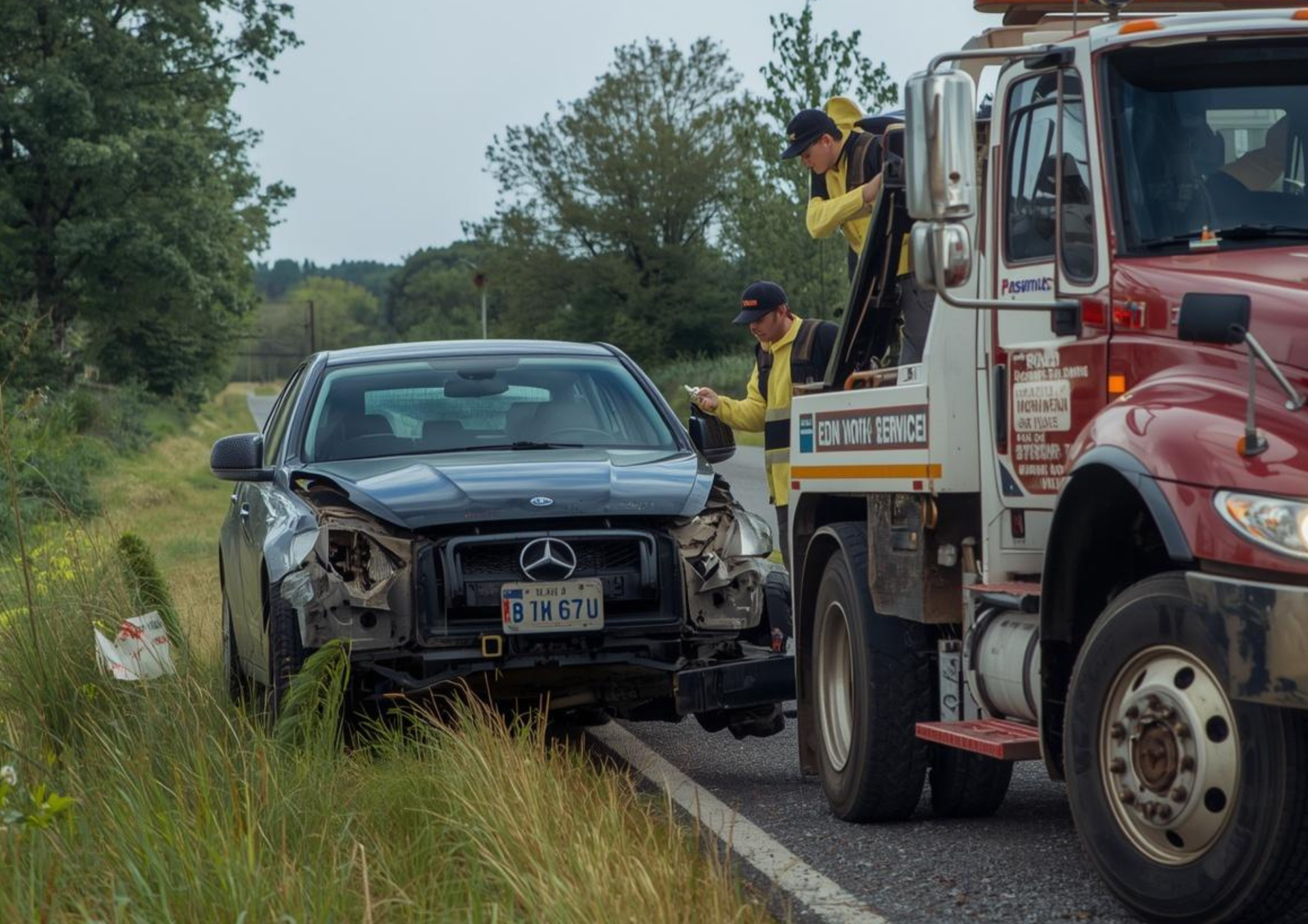
Car Recovery Doncaster helps avoid that risk by moving the vehicle safely without causing further harm. Our reliable operators know how to load and secure vehicles correctly, then deliver them to a garage, body shop, dealership, workplace, or home address. The aim is safe transport, not roadside repair.
Experienced vehicle recovery services are particularly useful for larger vehicles such as vans, minibuses, and buses, where specialist equipment may be needed. Key benefits include reduced risk of extra damage, safe loading and unloading, suitable transport for different vehicle types, support in poor weather, delivery to your chosen destination, and less stress during a difficult situation.
Many drivers also compare car recovery prices before booking, but reliability and professionalism are often more valuable than choosing the cheapest option. If the vehicle is used for work, acting quickly also helps reduce downtime. Tradespeople, delivery drivers, and business owners often need their vehicles moved promptly so repairs or replacement plans can begin without delay.
How To Reduce the Risk of Future Flood Problems
No one can control the weather, but drivers can reduce risk through planning and awareness. Flooding can affect towns, cities, rural roads, and motorways, so preparation matters wherever you travel.
Check Weather Warnings
Before longer journeys, review forecasts and travel alerts. Heavy rain may create sudden hazards.
Avoid Flooded Roads
If you cannot judge the depth, do not enter. Water levels can be deceptive, and road surfaces may be damaged underneath.
Leave Extra Time
Rushing encourages poor decisions. Extra time allows safer route changes.
Maintain Your Vehicle
Good tyres, brakes, lights, and wipers improve safety in wet conditions.
Know Alternative Routes
Keeping more than one route in mind can help you avoid problem areas.
Keep Essentials in the Vehicle
A phone charger, torch, waterproof coat, and emergency contact details can be useful during bad weather.
Act Early
If water levels are rising where you are parked, move the vehicle to higher ground as soon as it is safe. Some motorists also rely on breakdown recovery memberships for general roadside incidents, but flood exposure often still requires careful transport and workshop inspection rather than continued driving. Preparation does not remove every risk, but it can greatly improve your chances of avoiding serious disruption.
Car Recovery Doncaster is built around reliability, professionalism, and clear customer care. We understand that vehicle problems are stressful, especially when flooding or severe weather is involved. Our goal is to make the process straightforward from the first call to final delivery.
Drivers choose us for our prompt response, professional service, and safe transport for cars, vans, and larger vehicles. We provide clear communication, careful handling, secure loading, and honest guidance at every stage. With a customer-first approach and strong local knowledge, we make the process smooth and stress-free.
Update on X: Reliable
Car Recovery Doncaster for flood-damaged vehicles when you need help!
You might also like