
Car Recovery Services for Difficult and Unexpected Car Breakdowns
Unexpected vehicle problems can turn an ordinary journey into a difficult situation within minutes. A car may suddenly lose power, refuse to start, develop a steering problem or show signs of a serious mechanical fault. When this happens, deciding whether the vehicle can continue safely is more important than trying to reach the destination at all costs.
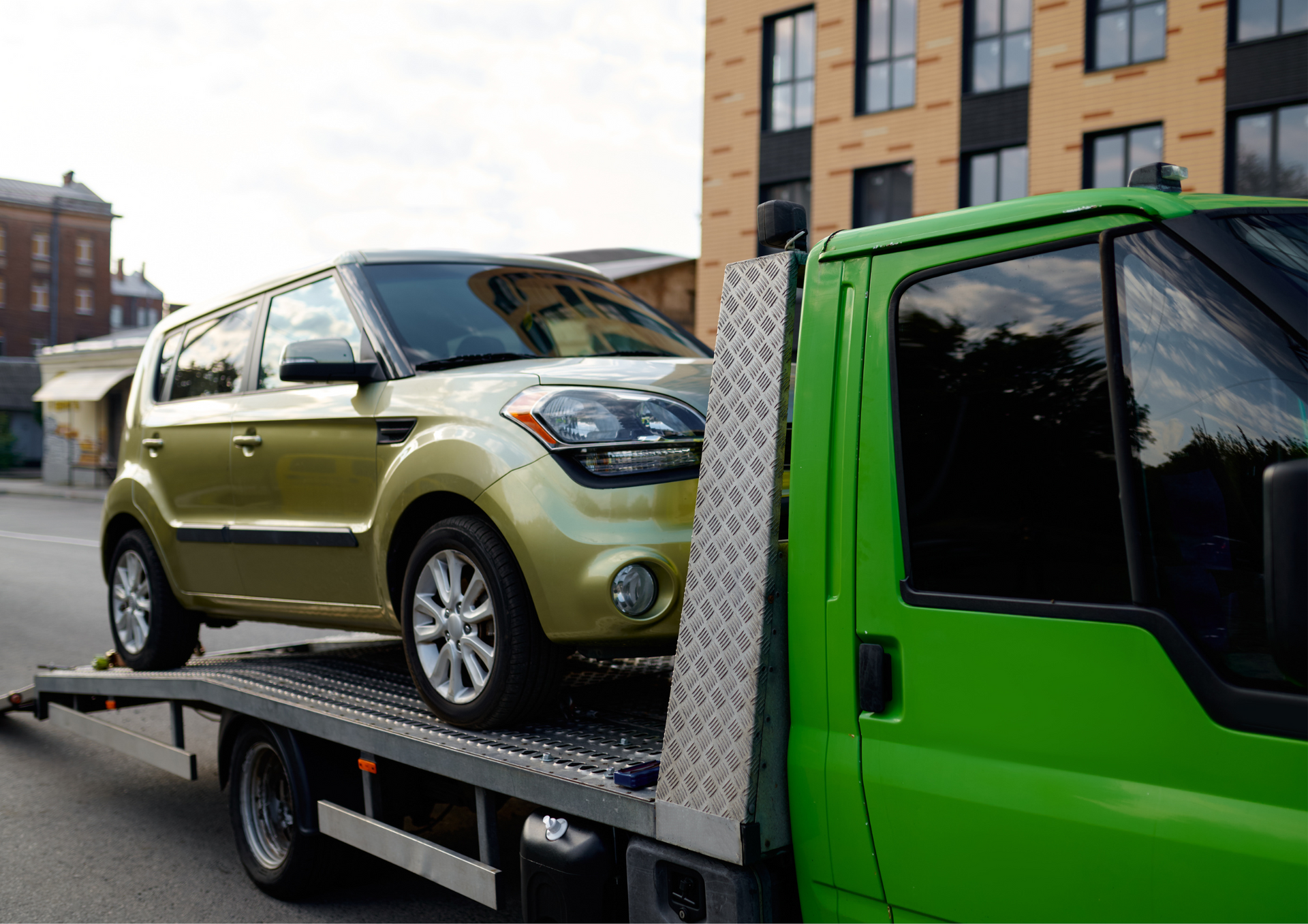
Professional car recovery services provide a practical way to have an undriveable vehicle collected and transported to a suitable destination. Instead of relying on a faulty vehicle to complete the journey, motorists can arrange for it to be loaded, secured and taken to a repair garage or another appropriate location of their choice.
This type of assistance focuses on vehicle transportation rather than mechanical work at the roadside. It does not include fixing the vehicle where it stopped, delivering fuel or providing lockout assistance. When specialist attention is required, transporting the vehicle to an appropriate professional allows the fault to be properly inspected and repaired.
Although this guide focuses on Doncaster, the same basic advice applies to motorists throughout the UK. Understanding when to stop driving, what details to prepare and what to expect from professional transportation can make an unexpected breakdown easier to manage.
Knowing When Your Vehicle Needs Professional Transportation
A vehicle does not necessarily have to stop completely before professional transportation becomes the sensible option. Some mechanical problems allow a car to continue moving while making it difficult or unsafe to drive. Motorists should pay attention to changes in how their vehicle sounds, feels and responds rather than assuming they can always complete the journey.
Serious steering problems are a good example. If the steering suddenly becomes unusually heavy, loose or unpredictable, continuing to drive could make controlling the vehicle difficult. The same applies when a car begins pulling strongly to one side or when the steering wheel no longer responds as expected. Once the vehicle is stopped somewhere appropriate, professional help can be arranged.
Wheel and tyre problems should also be treated carefully. A puncture may be obvious, but an impact with a pothole, kerb or road debris can sometimes affect the wheel, steering or suspension. If a wheel appears incorrectly positioned, there are unusual noises or the vehicle does not move normally, driving further may cause additional problems.
A motorist searching for car recovery near me may also be dealing with a vehicle that has failed in an unfamiliar part of Doncaster. In these circumstances, identifying the exact location can make arranging a collection much easier. A road name, postcode, nearby landmark or clear description of the surrounding area can help establish where the vehicle is waiting.
Overheating is another warning sign that should not be ignored. If the temperature rises significantly, warning messages appear or steam is visible, repeatedly attempting to continue could lead to more serious mechanical damage. Drivers should follow the vehicle manufacturer's guidance and avoid opening hot components that could cause injury.
Unusual noises can also indicate a significant problem. Grinding, knocking or other sudden mechanical sounds may suggest that a component is damaged or failing. Even if the car still moves, it may not be sensible to continue until the cause has been properly assessed.
Electrical faults can be equally disruptive. Modern vehicles depend on electrical and electronic systems for many essential functions. A serious fault could prevent the engine from starting or affect normal operation in ways that are difficult to diagnose without suitable equipment.
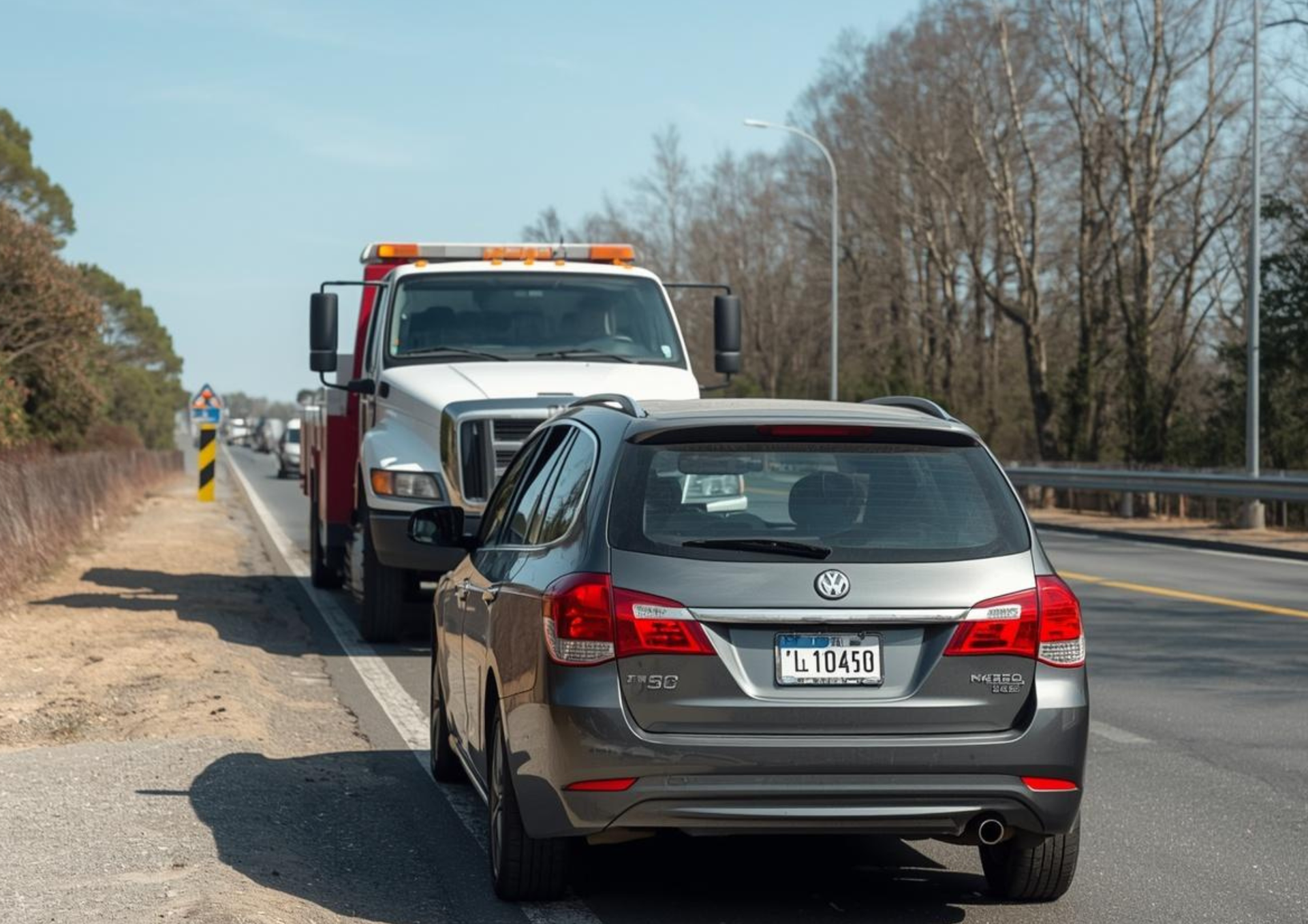
When a vehicle stops near fast-moving traffic, the immediate concern should be personal safety rather than investigating the fault. Drivers should follow current Highway Code guidance and any directions from the police, highways personnel or other relevant authorities. Once the situation is safe, arrangements can be made to transport the vehicle to an appropriate destination.
How Professional Transportation Helps During a Breakdown
Professional breakdown recovery is designed to move an undriveable vehicle from its current location to an agreed destination. The process normally involves collecting, loading, securing and transporting the vehicle rather than attempting to repair the underlying mechanical problem where it stopped.
Several parts of the process can help motorists dealing with a difficult situation:
- Safe collection: When a vehicle cannot continue under its own power, professional transportation means the driver does not need to risk driving it simply to reach a garage. The collection can instead be planned around its current condition.
- Appropriate loading: The operator needs to consider whether the vehicle rolls and steers normally before loading it. Problems affecting wheels, suspension or steering should therefore be explained when collection is arranged.
- Secure transportation: Once loaded, the vehicle should be correctly positioned and secured for the journey. This helps keep it stable while travelling to the selected destination.
- Handling different vehicle conditions: A car that simply will not start can present a different situation from one with damaged wheels or steering. Accurate information helps the operator understand what may be required.
- Managing difficult locations: Breakdowns can occur in narrow streets, car parks, commercial premises or other places with limited access. Height barriers, gates and restricted entrances should be mentioned in advance.
- Transport to an agreed destination: The vehicle can be taken to a suitable garage, specialist repair facility or another appropriate location selected by the customer. Confirming the address beforehand can make the process more straightforward.
- Support when away from home: Breaking down somewhere unfamiliar can make an already inconvenient situation more stressful. Having the exact location and intended destination ready helps simplify the arrangements.
- Clear separation from mechanical work: Transportation does not involve repairing the vehicle at the roadside. It also does not include fuel delivery or lockout assistance. When specialist work is required, the vehicle can be moved to the appropriate professional.
Drivers should be as accurate as possible when explaining the problem. It is not necessary to diagnose the mechanical fault yourself, but any symptoms you have noticed can be useful. For example, tell the operator if a wheel will not rotate, the steering is locked or the vehicle is positioned somewhere difficult to access.
Preparing Your Vehicle and Details Before Collection
Preparing some basic information before arranging car recovery can make the collection process more straightforward. The provider needs to understand what vehicle is being moved, where it is located, whether its condition affects loading and where the customer wants it transported.
Start with the vehicle make, model and registration number. These details help identify the vehicle and give the operator useful information about its approximate type and size. If you are arranging transportation for a larger vehicle, make this clear when making contact.
Next, establish your location as accurately as possible. A full address or postcode is ideal when available, but motorists do not always break down somewhere with an obvious street address. Road signs, nearby businesses, junctions and recognisable landmarks can help provide additional context.
Drivers in Doncaster may encounter very different collection environments. A vehicle could be parked on a residential road, at a workplace, in a shopping area or somewhere on the outskirts of the town. Each setting can present different access considerations, so describing the immediate surroundings can be useful.
The condition of the vehicle is particularly important. Tell the provider whether it starts, whether the wheels rotate and whether the steering operates normally. If there has been visible damage or a component appears loose, explain this rather than trying to move the vehicle unnecessarily.
Access restrictions should also be mentioned. Multi-storey car parks may have height limits, private premises may have gates, and narrow streets can restrict the space available around a vehicle. Providing this information before collection allows the situation to be considered in advance.
It is also sensible to decide where the vehicle should be taken. This may be your regular garage, a specialist repair facility or another suitable destination. If you are taking the vehicle directly to a repair business, consider contacting them first to confirm that they can receive it.
When the breakdown occurs outside normal working hours, the intended garage may be closed. In that situation, the customer may need to choose another appropriate destination or confirm arrangements for delivery before transportation begins.
Avoid attempting to reposition the vehicle if doing so could be unsafe. Professional car recovery services can provide a practical solution by transporting an undriveable vehicle to a suitable garage or another appropriate destination.
Choosing Dependable Help in Doncaster
Professional vehicle recovery services should provide a clear and practical way to move an undriveable vehicle to an appropriate destination. Motorists should consider communication, suitable equipment, vehicle handling and the information required before agreeing to collection.
When choosing a provider, consider these practical points:
- Clear communication: The provider should make it easy to explain the situation and understand the arrangements for collection and transportation.
- Accurate vehicle details: Be ready to provide the make, model and registration. Explain known problems that could affect how the vehicle is moved.
- Suitable equipment: The equipment used should be appropriate for the type, size and condition of the vehicle being transported.
- Careful handling: A faulty or damaged vehicle should be loaded and secured with its condition in mind. This is particularly important when it cannot roll or steer normally.
- Local knowledge: Familiarity with Doncaster and surrounding roads can be useful when locating a stranded motorist or reaching an unfamiliar collection point.
- Access considerations: Tell the provider about narrow entrances, height restrictions, gates or other obstacles before the operator arrives.
- A confirmed destination: Decide where the vehicle needs to be transported and provide the full address where possible. Clear destination arrangements can prevent uncertainty later.
- Realistic service expectations: Understand that the purpose of the service is to collect and transport the vehicle. Mechanical diagnosis and repairs are carried out by the appropriate professional after transportation.
- Complete information: Do not leave out details simply because they seem minor. A wheel that does not rotate or steering that no longer works normally can affect the collection process.
- A clear plan: Before confirming transportation, make sure the collection point, vehicle details and destination are understood by everyone involved.
These considerations are useful whether a breakdown happens in Doncaster or elsewhere in the UK. A dependable provider should focus on getting an undriveable vehicle from its current position to the agreed destination using arrangements suitable for the circumstances.
Car Recovery Doncaster offers a straightforward way to arrange professional transportation.The vehicle can then be transported to a repair garage, specialist facility or another suitable location of your choice.
Whether your vehicle has stopped near home, at work or during a journey through Doncaster, you can provide its details, location, known condition and preferred destination so suitable collection arrangements can be made. Our car recovery services focus on careful vehicle handling, clear communication and getting your vehicle to an appropriate destination without relying on it to continue an unsafe journey.
If your vehicle cannot be driven safely, get in touch with your location, vehicle details and preferred destination to arrange professional transportation in Doncaster.
Check out our latest X update on how
car recovery services provide essential support during difficult and unexpected car breakdowns!
You might also like