
How Car Recovery Doncaster Can Help When Your Car Will Not Start Safely
A car that refuses to start can interrupt work, appointments, family commitments or a longer journey without warning. The problem might occur on a driveway before leaving home, in a public car park after shopping or at the roadside during a journey. Wherever it happens, repeatedly attempting to start the vehicle without knowing what is wrong may not be the most practical response.
There are many possible reasons why a vehicle may fail to start. Electrical problems, battery issues, starter motor faults and mechanical problems can all produce similar symptoms from a driver's perspective. Unless the cause is obvious, motorists should avoid making assumptions about the fault or attempting work they are not equipped or qualified to perform.
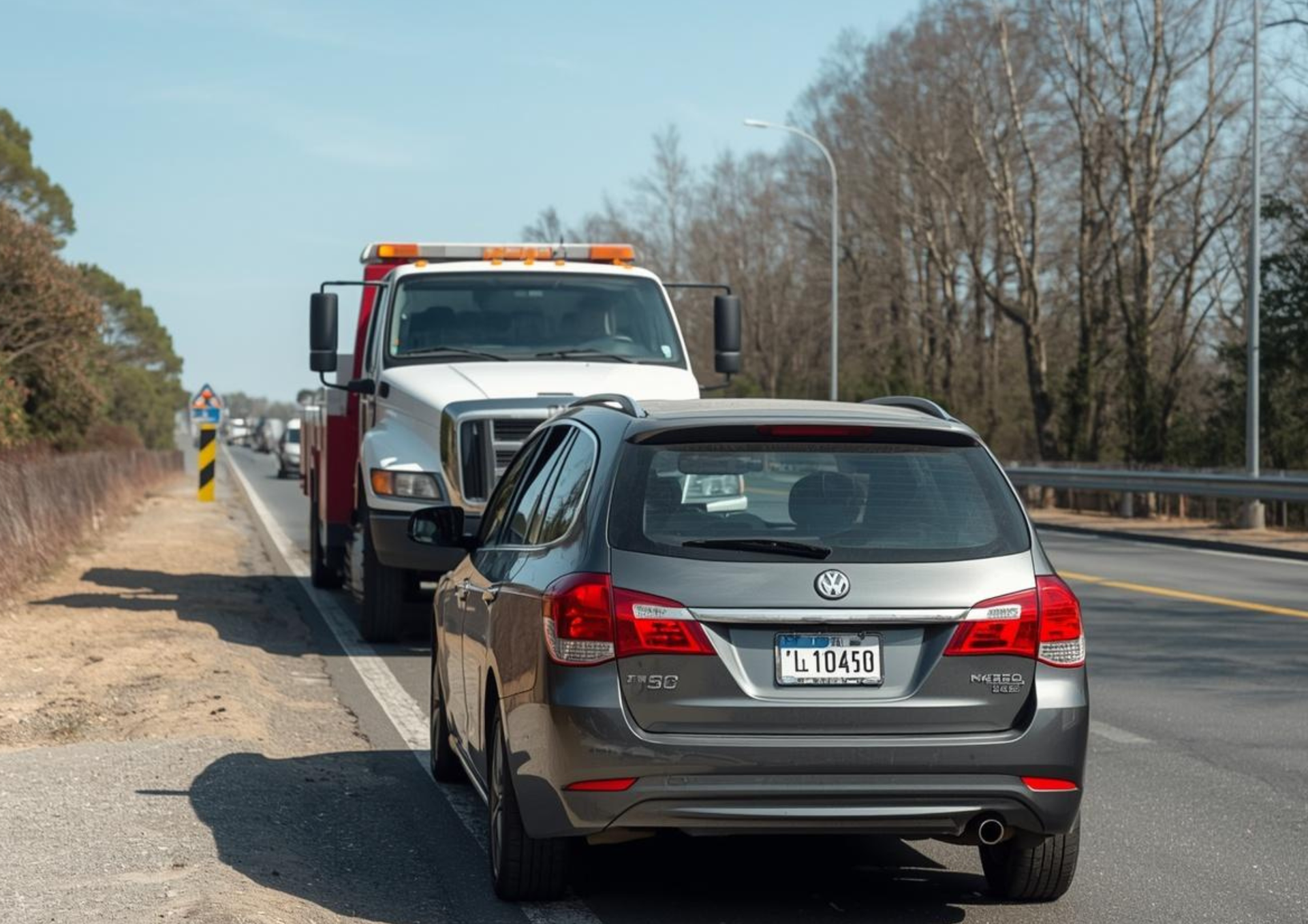
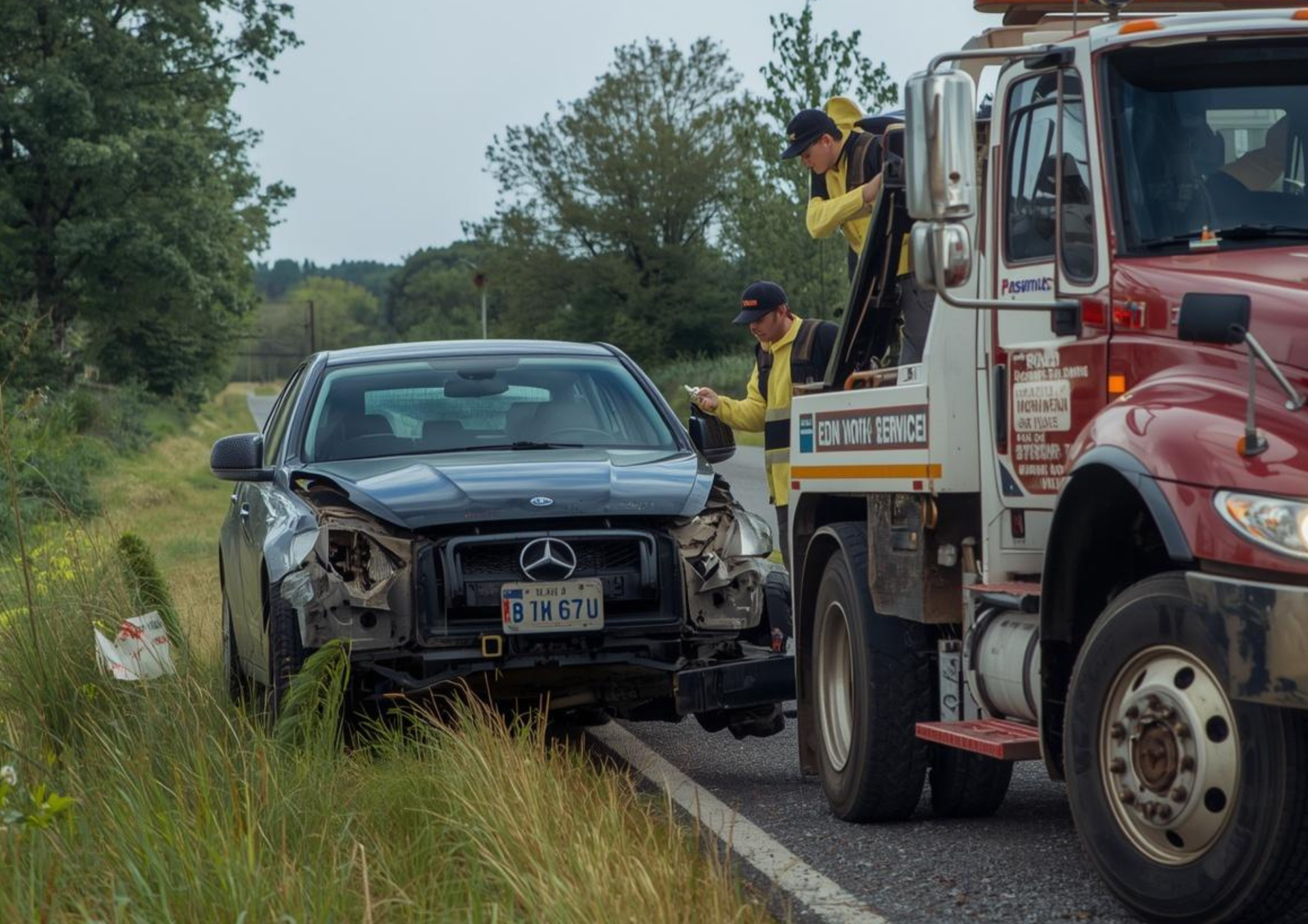
When a vehicle cannot be started and needs professional attention elsewhere, Car Recovery Doncaster can provide a practical means of getting it to an appropriate destination. Vehicle recovery focuses on collecting and transporting the car rather than repairing it where it has stopped. This allows the vehicle to be moved to a garage or another suitable location where the underlying problem can be properly investigated.
Why a Car May Suddenly Refuse to Start
A vehicle that will not start does not necessarily give its driver much warning beforehand. It may have operated normally during the previous journey but fail the next time the key is turned or the start button is pressed. In other situations, there may have been earlier signs such as slow starting, unusual sounds, warning lights or intermittent electrical behaviour. Paying attention to these changes can provide useful information when describing the problem to a professional.
Battery-related problems are a common possibility, particularly when a vehicle has been left unused for a period or electrical components have remained active while the engine was switched off. However, motorists should not automatically assume that every non-starting vehicle has a battery problem. A fault with the starter motor, ignition system, electrical connections or another component may produce symptoms that appear similar without proper diagnosis.
The sounds a vehicle makes can sometimes provide useful clues. A clicking noise, slow cranking, normal cranking without the engine starting or complete silence may indicate different types of problems. Dashboard lights can also provide useful information. Drivers do not need to diagnose the fault themselves, but remembering what happened when they attempted to start the vehicle can help when arranging professional assistance.
Mechanical problems can also prevent an engine from starting correctly. Because modern vehicles contain interconnected electrical and mechanical systems, identifying the exact cause may require appropriate diagnostic equipment and technical knowledge. Repeatedly trying to start a vehicle when an underlying mechanical problem is suspected may place unnecessary strain on certain components.
Professional car recovery services can be useful when the vehicle cannot be made operational and needs to reach a garage for diagnosis. Instead of attempting complicated work at the roadside or continuing repeated starting attempts, the owner can arrange for the vehicle to be collected and transported to professionals with the appropriate facilities to investigate the fault.
Where the vehicle has stopped also affects the driver's next steps. A non-starting car parked safely at home presents a very different situation from one stopped in an exposed or inconvenient position. Drivers should consider the surroundings, traffic conditions and accessibility before deciding what action to take, particularly if they need to leave the vehicle while arranging help.
What to Do When Your Vehicle Will Not Start
When a car refuses to start, a methodical response can make the situation easier to manage. The immediate priorities will depend on where the vehicle is located and whether it creates an obstruction or safety concern. Drivers in Doncaster and elsewhere should avoid taking unnecessary risks simply to determine why the vehicle has stopped working.
- Check the surroundings: Before concentrating on the fault, consider whether the vehicle is in a safe position. A car on a driveway or in a parking space presents fewer immediate concerns than one stopped near moving traffic.
- Observe what happens when starting: Note whether the engine turns over, whether there is a clicking sound, whether dashboard lights appear normally or whether nothing happens. These observations can be useful when describing the problem.
- Look at dashboard warnings: Warning lights or messages may provide information about the vehicle's condition. Record what appears rather than repeatedly trying different controls without understanding the problem.
- Avoid repeated starting attempts: Continuously attempting to start an unresponsive vehicle may not solve the underlying issue and could place additional demand on electrical or mechanical components.
- Keep the vehicle accessible: If collection is likely to be required, avoid positioning another vehicle or object in a way that could make access more difficult for recovery equipment.
- Prepare essential vehicle information: Have the registration, make, model and approximate vehicle weight or dimensions available where relevant. Mention any modifications that could affect loading.
- Decide on a destination: If the vehicle needs professional diagnosis, identify the garage or another suitable location where you would like it transported.
- Describe mobility problems: Tell the provider if the steering is locked, the wheels will not turn normally, the parking brake cannot be released or another issue may affect loading.
Some motorists begin by searching for cheap car recovery near me when an unexpected starting problem occurs. Price is naturally a consideration, but it should be balanced with suitable equipment, clear communication and the ability to handle the vehicle correctly. Providing accurate details before arranging collection can also help ensure that the requirements of the job are understood.
Once help has been arranged, the driver should keep the keys available where appropriate and remain contactable in case additional directions are required. There is no need to keep attempting to start the car while waiting. If specialist mechanical attention is required, transporting the vehicle to an appropriate garage allows the fault to be investigated in a more suitable environment.
Preparing a Non-Starting Car for Professional Transportation
Before a vehicle is collected, providing clear information about its condition can help the operator prepare for the job. A car that will not start may still steer and roll freely, while another vehicle may have electrical or mechanical problems that affect how it can be moved. These differences matter when deciding how the vehicle should be loaded.
Motorists should explain exactly where the car is located. In Doncaster, this could be a residential driveway, town-centre car park, workplace, side street or another location with its own access considerations. Narrow entrances, height restrictions, parked vehicles, gates or limited turning space should be mentioned in advance if they could affect access.
The driver should also explain whether the vehicle is facing forwards or backwards, whether the steering can be operated and whether the parking brake can be released normally. If the car has an automatic transmission or an electronic parking brake and there is an electrical problem, this information may be particularly relevant to the collection arrangements. Drivers should not force controls or components simply to make the vehicle easier to move.
Arranging car breakdown recovery can be appropriate when a fault has left a vehicle unable to complete its journey under its own power. The purpose is to collect and transport the vehicle to an appropriate destination, not to perform mechanical repairs at the breakdown location. This distinction is useful because it allows motorists to arrange suitable transportation without expecting the underlying fault to be resolved before the vehicle is moved.
Personal belongings are worth considering before the car leaves the collection point. Work equipment, house keys, medication, child seats or items needed later in the day may be inconvenient to retrieve once the vehicle has reached a garage. Where it is safe and practical, motorists can remove anything they will need before transportation begins.
Drivers should confirm the destination before loading wherever possible. If a garage has been chosen, it can be useful to check that the premises can receive the vehicle, particularly outside normal opening times. Alternatively, the vehicle may be transported to another suitable location selected by the owner. Clear destination arrangements reduce uncertainty for everyone involved.
Professional recovery does not include roadside mechanical repairs, lockout assistance or fuel delivery. When the problem requires diagnosis or repair, the vehicle is transported to the appropriate professionals instead. This helps keep the purpose of the service clear and allows the recovery operator to concentrate on handling and moving the non-starting vehicle appropriately.
After the necessary information has been provided, motorists should allow trained personnel to manage the loading process. Recovery equipment is designed to control and secure vehicles during transportation. Standing clear and following reasonable instructions can help the collection proceed smoothly, particularly in locations where space is restricted.
Choosing Reliable Help for a Car That Cannot Be Driven
Selecting suitable assistance can make a frustrating non-starting problem much easier to manage. A dependable provider should ask relevant questions about the vehicle, collection point and destination rather than treating every situation identically. Motorists should also be given a clear understanding of the transportation arrangements before the vehicle is moved.
- Clear communication: Look for a provider that asks for useful information and explains what is required for collection without making the process unnecessarily complicated.
- Suitable equipment: The equipment used should be appropriate for the size, type and condition of the vehicle requiring transportation.
- Careful vehicle handling: Loading and securing should be approached carefully, especially if the vehicle cannot steer, roll or release its parking brake normally.
- Relevant vehicle capability: Confirm that the provider can accommodate the particular car or other vehicle involved before finalising collection.
- Collection availability: Consider whether assistance is available at the time the vehicle needs to be moved, particularly when a fault occurs outside normal working hours.
- Local knowledge: Familiarity with Doncaster and surrounding routes can be helpful when finding collection points and accessing residential, commercial or busy urban locations.
- Clear destination arrangements: The provider should understand where the vehicle needs to go, whether that is a repair garage or another suitable place chosen by the customer.
- Professional approach: Helpful communication and sensible handling are particularly valuable when a driver is already dealing with the inconvenience of a vehicle that will not start.
Although car breakdown and recovery are often discussed together, motorists should check what assistance is actually being provided. Recovery in this context means moving an undriveable vehicle rather than fixing the mechanical or electrical problem where the car has stopped. If diagnosis is required, transportation to a suitable repair facility provides access to the relevant professionals and equipment.
It is also worth considering the circumstances of the collection rather than selecting a provider solely because they appear convenient. A vehicle in an underground car park, behind a narrow entrance or positioned where its wheels cannot move normally may require different planning from a car parked in an open area. Giving this information in advance helps the provider understand the situation.
A professional Car Recovery Doncaster option should ultimately make the transportation process clear and manageable for the motorist. Once the location, vehicle condition and destination are established, the owner knows what to expect and can avoid unnecessary attempts to move or start the car while waiting for collection.
When a vehicle refuses to start, Car Recovery Doncaster provides a straightforward option for motorists who need their car collected and transported to an appropriate destination. Our focus is on clear communication, careful handling and practical arrangements based on the location and condition of the vehicle.
We understand that every collection can involve different circumstances. A car may be parked at home, stranded at work or stopped somewhere that presents access difficulties. By providing accurate information about the vehicle and collection point, motorists can help us make suitable arrangements for transporting it to a repair garage or another requested location.
If your car will not start and needs to be moved for professional attention, contact us to arrange collection and transportation. Rather than repeatedly attempting to start or move an unresponsive vehicle, you can have it taken to an appropriate destination where the underlying problem can be properly investigated.
Check out our latest X update on how
Car Recovery Doncaster can help when your car will not start safely.
You might also like