
How Location and Travel Distance Can Affect Your Car Recovery Cost
A vehicle breakdown can happen almost anywhere, from a residential street or workplace car park to a busy main road or a quieter rural route. Once a vehicle can no longer be driven safely, arranging professional transportation is often the practical next step. However, the amount involved can vary because every collection has its own location, distance and access requirements.
This is particularly relevant in an area such as Doncaster, where motorists travel through busy urban areas as well as residential districts, commercial locations and roads leading into surrounding communities. A vehicle that stops close to its intended garage may involve a very different journey from one that becomes undriveable further away and needs to be transported over a considerable distance.
When motorists compare car recovery prices, it is useful to consider what is actually required rather than looking at a figure without context. The collection point, destination, vehicle condition and ease of access can all affect the work needed to move a vehicle safely. Giving accurate information from the beginning makes it easier for a provider to understand the situation and explain the proposed transportation arrangements.
Professional recovery in this context means collecting, loading, securing and transporting an undriveable vehicle to an agreed destination. It does not involve carrying out mechanical repairs at the roadside, providing lockout assistance or delivering fuel. When specialist mechanical work is required, the vehicle can instead be transported to an appropriate garage or another suitable location chosen by the customer.
Although this article focuses on Doncaster, the same basic considerations apply throughout the UK. Wherever a vehicle becomes undriveable, its location and the distance to the chosen destination can play an important part in determining what is involved in moving it.
Why Your Breakdown Location Can Influence the Amount You Pay
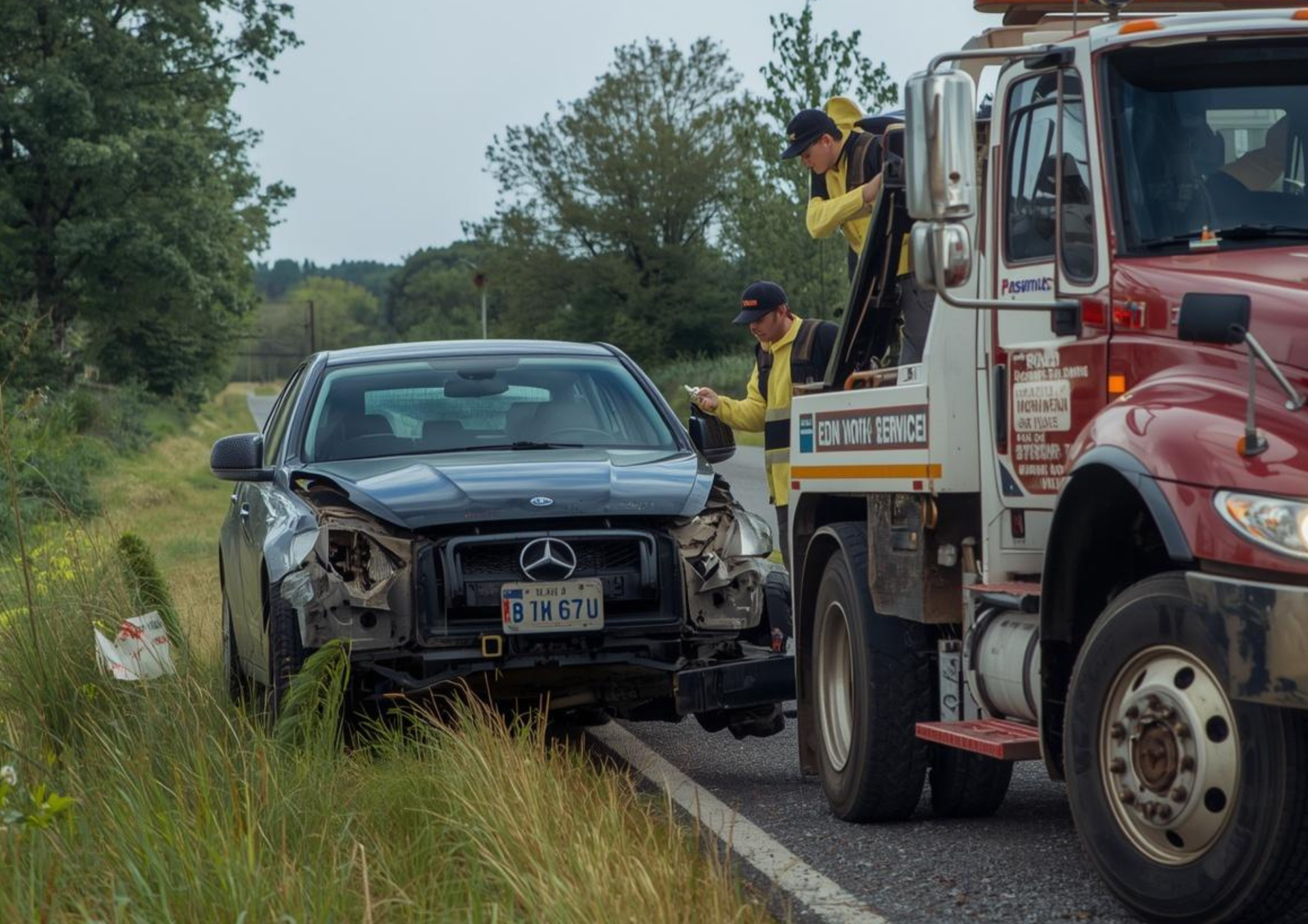
The place where a vehicle breaks down can make a significant difference to the collection process. An easily accessible car on a wide residential street may be relatively straightforward to approach and load, while a vehicle in a narrow road, restricted car park or awkward position may require more planning before it can be moved safely.
For this reason, the car recovery cost can reflect the practical circumstances at the collection point. The operator needs enough space to position suitable equipment and prepare the vehicle for transportation. If access is restricted or the vehicle is positioned in a way that makes loading more difficult, different arrangements may be required.
Residential locations can vary considerably. A car parked on a driveway with straightforward road access is different from one located behind gates, on a narrow private road or in an area where larger vehicles have limited room to manoeuvre. Drivers should mention these details when arranging collection rather than waiting until the operator arrives.
Car parks can present their own challenges. Some have height restrictions, narrow ramps or controlled entrances. A vehicle may also be parked in a position where direct access is difficult. Providing details about the car park and where the vehicle is located within it allows the provider to consider these circumstances beforehand.
Commercial premises may have additional access arrangements, particularly when a vehicle is located behind security barriers or in an area with restricted operating hours. If permission is required to enter a site, the motorist or vehicle owner should try to establish this before collection. Clear access information can prevent unnecessary delays.
A breakdown on a busy road creates different considerations. The immediate priority is personal safety, particularly where fast-moving traffic is present. Drivers should follow the Highway Code and any instructions from the police, highways personnel or other relevant authorities. Transportation arrangements should only be made in a way that avoids putting anyone at unnecessary risk.
Location can influence the amount quoted even when the distance to the destination is relatively short. Two vehicles might need to travel the same number of miles, yet one could be considerably easier to access and load than the other. This is why distance alone does not always explain the final amount.
Vehicle positioning is another important factor. A car that can roll and steer may be easier to prepare for loading than one positioned against a kerb with wheels that will not turn. If the vehicle is stuck in an awkward position, the provider should know about it before arriving.
Motorists should also provide an accurate address or postcode wherever possible. In rural areas or locations without a clear street address, nearby landmarks and precise directions can be useful. Location information from a mobile device may also help, but the driver should confirm that the details provided accurately reflect where the vehicle is situated.
Doncaster motorists can encounter a wide variety of breakdown locations, while journeys into surrounding areas can create different access conditions. Someone who experiences a problem close to home may be able to describe the area easily, whereas a motorist passing through may be less familiar with their surroundings. Checking road signs, nearby businesses or other identifiable landmarks can help establish the correct collection point.
The intended destination matters alongside the breakdown location. If the vehicle is being transported to a nearby garage, the journey requirements will differ from those involved in taking it considerably further away. Customers should therefore provide both the collection point and destination when requesting a quotation.
Understanding these practical details helps motorists see why the amount required for vehicle transportation can differ between situations. Rather than assuming every collection is identical, it is more useful to consider access, vehicle position, destination and the work required to load and transport the vehicle appropriately.
How Travel Distance Can Affect Vehicle Transportation
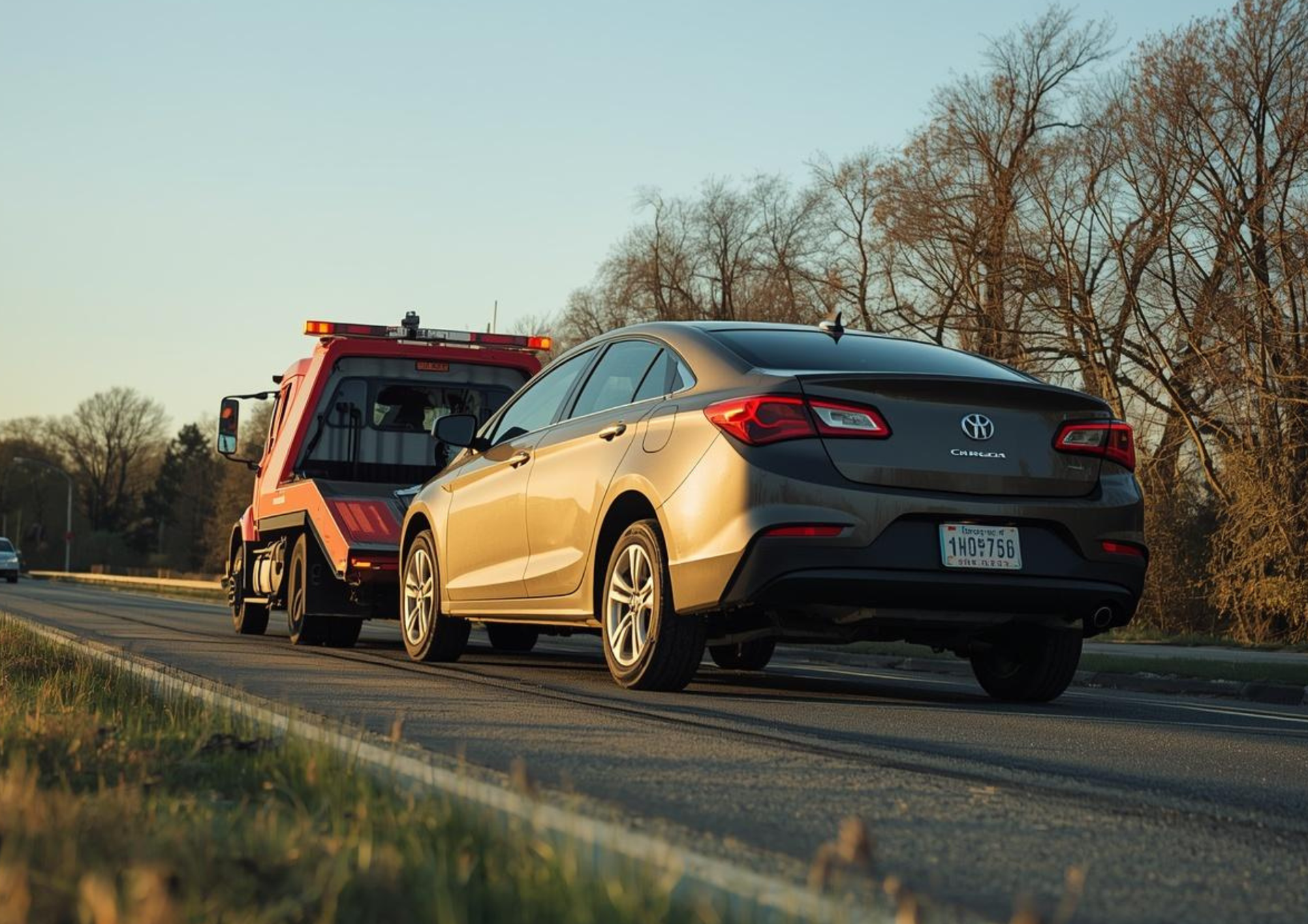
Distance is another important consideration when motorists look at vehicle recovery prices. The relevant journey is not simply about where a breakdown occurs; the location of the chosen destination matters as well. Transporting a vehicle to a nearby repair garage involves a different journey from taking it to another town or a specialist located much further away.
Several distance-related factors can influence the transportation requirement:
- Distance to the destination: Once loaded and secured, the vehicle must be transported to the location requested by the customer. A garage a short distance away creates a different journey from a destination many miles from the collection point.
- Local transportation: If a vehicle becomes undriveable in Doncaster and needs to go to a nearby garage, the journey may remain within the local area. The exact distance will still depend on where the breakdown occurred and which destination the customer chooses.
- Longer-distance journeys: A motorist may prefer to have a vehicle transported to their usual repair professional outside the area. Longer transportation distances naturally involve more travelling than a nearby destination.
- Practical route selection: The most suitable route may not always be a straight line between two points. Road restrictions, closures, access conditions and the type of vehicle being used can influence the practical route.
- Traffic conditions: Congestion can affect journey times, particularly in urban areas or during busy periods. While pricing structures vary between providers, customers should give accurate locations so the required journey can be considered properly.
- Choice of garage: Motorists often have a preferred repair professional. Deciding where the vehicle should go before collection can make the process clearer and prevent uncertainty after it has been loaded.
- Correct address information: Providing complete postcodes and addresses helps establish the collection and delivery points. This is particularly useful when the destination is outside Doncaster or in an unfamiliar area.
Distance should be discussed when requesting a quotation rather than assumed. A driver who only provides the breakdown location has given the provider half of the journey information. The destination is equally important because it determines where the transported vehicle ultimately needs to be delivered.
Why Vehicle Condition and Accessibility Also Matter
Location and distance are important, but they do not tell the entire story. The condition of the broken-down vehicle can influence how it needs to be loaded, secured and unloaded. A vehicle that simply will not start but can otherwise roll and steer normally presents a different situation from one with damaged steering, wheels or suspension.
This is one reason car recovery charges can differ even for journeys covering similar distances. The practical work involved in preparing a vehicle for transportation can vary according to its condition and position. Giving the provider an accurate description allows suitable arrangements to be considered before collection.
A motorist may not know exactly what mechanical fault has occurred, and a detailed diagnosis is not expected when arranging transportation. However, drivers can provide useful observations. For example, they can explain whether the vehicle starts, whether its wheels turn, whether the steering operates normally and whether there is any visible damage that could affect movement.
Wheel problems are particularly important to mention. A vehicle with a damaged wheel or a wheel that cannot rotate normally may need to be handled differently from one that rolls freely. The same applies to steering or suspension problems that affect how the vehicle can be positioned.
Accessibility is closely connected to vehicle condition. If a car cannot move under its own power but is positioned in an open, easily reached location, collection may be relatively straightforward. If the same vehicle is inside a restricted parking area or facing an awkward direction, additional planning may be necessary.
Low-clearance locations are a good example. Multi-storey and underground car parks can have height restrictions that affect access for certain types of vehicles. Narrow ramps and tight corners may create further limitations. Drivers should tell the provider about these features when requesting collection.
Private and commercial sites can also have controlled access. Gates, barriers or security procedures may need to be dealt with before a vehicle can be reached. The customer should confirm any relevant access arrangements so the operator does not arrive without being able to reach the vehicle.
The amount of information required does not need to make the process complicated. A clear description of the vehicle, its position and any obvious problems is usually far more useful than attempting to diagnose the mechanical fault yourself.
The same approach is valuable wherever the breakdown occurs. Whether a motorist is in Doncaster or elsewhere in the UK, accurate information allows a provider to understand the practical circumstances and prepare for transportation accordingly.
What to Check When Comparing a Recovery Quote
Some motorists may look specifically at car recovery cost per mile when comparing options, but mileage should be considered alongside the complete transportation requirement. Providers can structure quotations differently, so it is useful to establish what is included and whether factors such as access, vehicle condition and destination have already been taken into account.
Before agreeing to collection, motorists should consider the following:
- Confirm what the quotation includes: Ask whether the amount covers the agreed collection, loading, securing, transportation and delivery arrangements. Understanding the scope of the service makes comparisons more meaningful.
- Provide an exact collection point: Give the correct address or postcode and explain where the vehicle is positioned. If the location is difficult to find, provide a useful landmark or additional directions.
- Confirm your destination: Decide where the vehicle needs to go and give the complete address. If you want it transported to a particular garage, make sure the destination is confirmed before collection.
- Describe the vehicle accurately: Provide its make, model and vehicle type. These details help the provider understand what needs to be transported.
- Explain its condition: Tell the provider whether the vehicle can roll and steer normally. Mention any visible wheel, steering or suspension problems that could affect loading.
- Identify access restrictions: Height barriers, narrow entrances, locked gates and restricted parking areas should be mentioned before the operator arrives.
- Discuss the journey distance: Make sure both the collection point and destination have been considered. This is especially important if the vehicle needs to be transported outside Doncaster.
- Ask about circumstances that could affect the quotation: If there are known access difficulties or unusual loading requirements, clarify whether these have already been considered.
- Understand the type of service: Professional focuses on collecting and transporting the vehicle. It does not provide roadside mechanical repairs, fuel delivery or lockout assistance. A vehicle requiring specialist work can be taken to an appropriate professional.
- Compare what is actually being provided: A quoted figure is most useful when you understand the service behind it. Consider the collection circumstances, transportation arrangements and destination rather than comparing figures without context.
Preparing this information before making contact can make arranging transportation considerably simpler. It also gives the provider a clearer understanding of what is required, reducing the likelihood of important details being discovered only after arrival.
The location of a breakdown and the distance a vehicle needs to travel can both influence the work required to transport it safely. These factors can have an impact on the
car recovery cost, alongside vehicle condition, accessibility, positioning, equipment requirements and the chosen destination.
Providing accurate information is one of the simplest ways motorists can make the process easier. The vehicle make and model, exact collection point, condition, access restrictions and complete destination all give the provider useful information for planning the transportation and providing clear details about what is involved.
These principles apply whether a breakdown happens in Doncaster or elsewhere in the UK. When a vehicle cannot be driven safely, professional transportation can move it to an appropriate repair garage or another suitable destination, where any necessary mechanical work can then be carried out.
Car Recovery Doncaster offers motorists a straightforward way to arrange professional transportation when a vehicle becomes undriveable. Clear communication helps establish the vehicle type, condition, collection location and required destination, giving customers a clearer understanding of the transportation process before arrangements are made.
Careful vehicle handling is important throughout collection, loading and transportation, while factors such as distance, vehicle type and collection requirements may influence the car recovery cost. Whether a vehicle needs to be moved from a residential road, workplace, car park or another accessible location, providing accurate details helps ensure the circumstances are understood from the outset.
The focus is on safely transporting vehicles rather than attempting roadside repairs, delivering fuel or providing lockout assistance. When specialist mechanical attention is needed, the vehicle can be taken to an appropriate repair professional or another suitable destination chosen by the customer.
Check out our latest X update explaining how location and travel distance can affect your
car recovery cost!
You might also like