
Electric and Hybrid Vehicle Recovery: What Drivers Should Know
Electric and hybrid vehicles are becoming an increasingly common sight on UK roads. As more motorists choose cleaner and more efficient transport, understanding what happens when one of these vehicles cannot continue its journey is becoming just as important as knowing how to maintain them.
Unlike conventional petrol or diesel vehicles, electric and hybrid models contain high-voltage electrical systems, specialised batteries, and advanced electronic components. These features offer many benefits, but they also mean that recovery requires additional care, knowledge, and the correct equipment.
Attempting to move or transport these vehicles without following appropriate procedures can increase the risk of damage and create unnecessary safety concerns. Whether the vehicle has been involved in an accident, experienced a mechanical fault, or simply cannot be driven safely, professional recovery is designed to transport it to a repair centre or another destination chosen by the owner.
Recovery services do not involve repairing the vehicle at the roadside or getting it running again. Instead, the priority is moving it safely and securely while protecting both the vehicle and everyone involved.
For motorists seeking Car Recovery Doncaster, understanding the recovery process helps make an already stressful situation far easier to manage. Knowing what to expect can also give owners confidence that their electric or hybrid vehicle will be handled correctly from collection through to delivery.
Why Electric and Hybrid Vehicles Need Specialist Recovery
Although electric, hybrid, petrol, and diesel vehicles all serve the same basic purpose, the technology inside them differs significantly. Electric vehicles rely on high-capacity battery packs that operate at much higher voltages than a standard vehicle battery, while hybrid vehicles combine traditional engines with electric drive systems, creating additional components that require careful handling during recovery.
At Car Recovery Doncaster, understanding these differences is essential to ensuring vehicles are recovered safely and transported correctly to a repair garage or another destination chosen by the owner. These high-voltage systems are built with multiple safety features, but they still require trained operators who understand how to work around them safely. Recovery professionals should follow manufacturer recommendations and established industry procedures to minimise risks while loading and transporting the vehicle.
Another important consideration is the location of the battery pack. In many electric vehicles, the battery is positioned beneath the floor, contributing to stability and handling. However, this also means incorrect lifting techniques or unsuitable loading equipment could damage critical components underneath the vehicle. Professional operators use suitable methods to ensure the vehicle remains protected throughout transport.
Weight is another factor. Battery packs add considerable mass, making many electric vehicles heavier than similar petrol or diesel models. This influences how they are loaded, secured, and transported. Recovery vehicles must be suitable for carrying these additional loads safely while maintaining stability during the journey.
Certain electric vehicles should not be towed with their driven wheels on the ground because doing so may damage the electric motor or drivetrain. Instead, specialist loading equipment or full-lift transportation is often recommended. Following the manufacturer's guidance helps prevent unnecessary mechanical damage and protects warranty conditions where applicable.
Modern vehicles also feature sophisticated driver assistance systems, cameras, sensors, and electronic braking systems. Professional handling reduces the likelihood of accidental damage to these sensitive components during transportation.
Understanding these differences demonstrates why specialist knowledge is essential. The objective is always to recover the vehicle safely rather than attempt roadside repairs, ensuring it reaches an appropriate repair facility or another destination selected by the owner.
Common Reasons Electric and Hybrid Vehicles Require Recovery
Electric and hybrid vehicles are built for reliability, but like any vehicle, they can develop faults or be involved in incidents that make them unsafe to drive. Understanding the most common reasons for recovery can help motorists recognise when professional transportation is the safest option.
- Accidents and Collision Damage
- Road traffic accidents are one of the most common reasons for vehicle recovery.
- Even when damage appears minor, hidden issues affecting the battery housing, steering, suspension, or electrical systems can make the vehicle unsafe to drive.
- Transporting the vehicle to a repair workshop allows qualified technicians to carry out a full inspection.
- Battery-Related Problems
- A depleted drive battery may leave an electric vehicle unable to continue its journey.
- Hybrid vehicles can experience faults affecting either the electric motor, battery system, or petrol engine, preventing normal operation.
- Mechanical Faults
- Suspension damage.
- Steering problems.
- Tyre damage.
- Other mechanical failures that prevent safe driving.
- Electrical and Software Issues
- Warning messages or system faults may place the vehicle into a restricted operating mode.
- Some electrical problems require specialist diagnostic equipment available at a repair workshop rather than at the roadside.
- Weather-Related Damage
- Very cold temperatures can reduce battery efficiency.
- Flooding or severe weather may affect electrical components and require safe transportation to a repair facility.
Professional breakdown recovery involves safely transporting vehicles that cannot be driven to a repair garage or another destination chosen by the owner. It does not include repairing the vehicle at the roadside. Early assessment and careful transportation help minimise further damage and allow repairs to begin as soon as possible.
How Professional Recovery Protects Your Vehicle
Recovering an electric or hybrid vehicle involves far more than simply attaching it to a tow truck. Every stage, from arrival at the scene through to unloading at the destination, should be carried out with care and attention to detail.
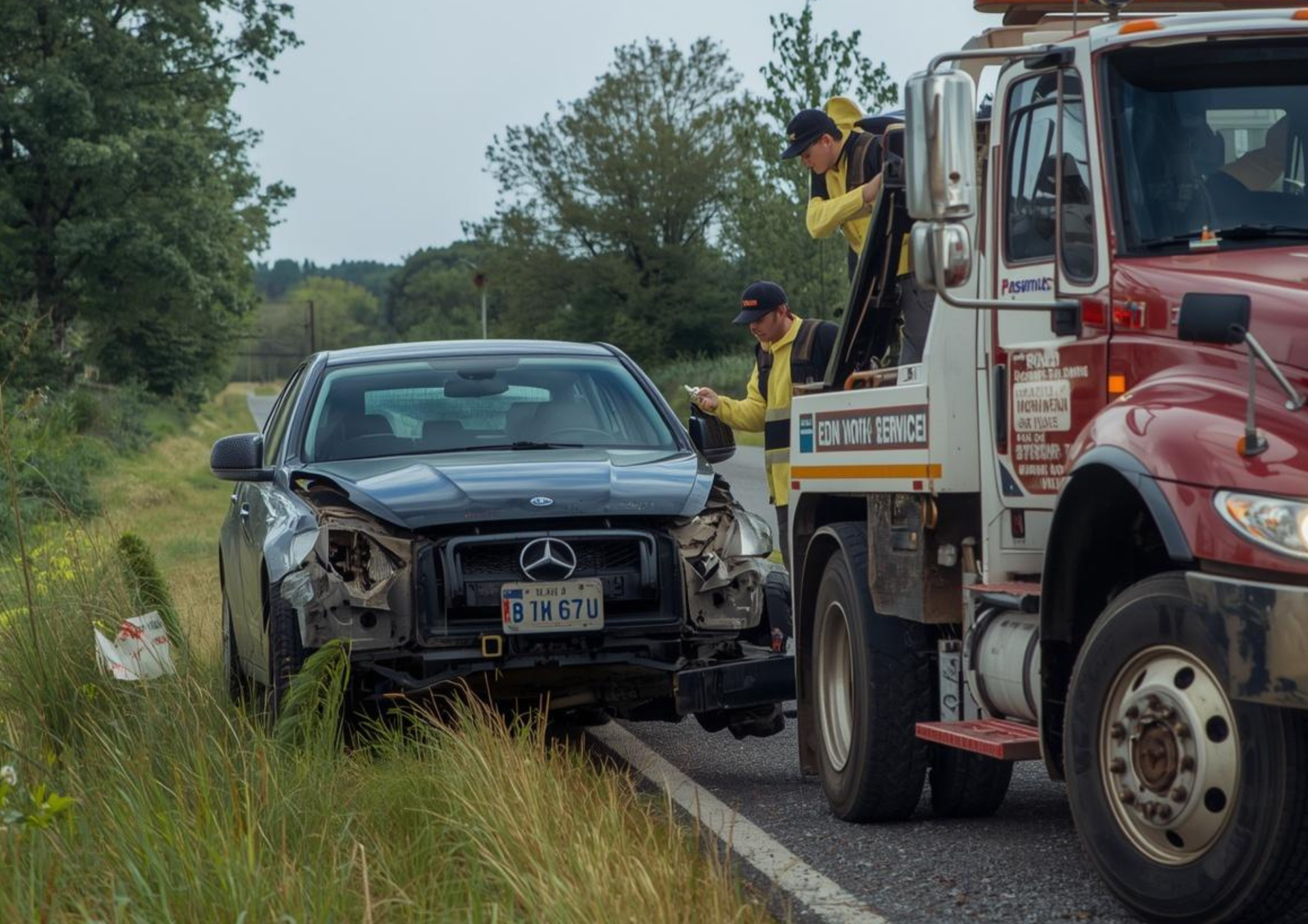
The first priority is assessing the condition of the vehicle. Operators identify any obvious damage, consider the surrounding environment, and determine the safest loading method. If the vehicle has been involved in a collision, extra precautions may be taken to minimise movement and reduce further stress on damaged components.
Loading equipment plays an important role in protecting the vehicle. Flatbed transportation is commonly used because it keeps all four wheels off the road and provides stable support throughout the journey. Appropriate securing points are selected to avoid unnecessary pressure on battery packs, suspension components, and bodywork.
Proper restraint systems help prevent movement during transport while protecting paintwork and structural components. Careful positioning also helps avoid unnecessary strain on the tyres and suspension.
Weather conditions, road surfaces, and traffic are all considered when planning transportation. A smooth, controlled journey helps minimise vibration and reduces the chance of additional damage while travelling to the chosen destination.
A reliable car recovery service focuses on transporting vehicles safely rather than carrying out repairs, ensuring owners can arrange inspections and maintenance with their preferred repair specialist after delivery.
Professional operators also understand the importance of clear communication. Explaining the recovery process, expected arrival times, and transportation arrangements helps reduce uncertainty for motorists during what can often be a stressful experience.
Quality vehicle recovery services invest in suitable equipment, ongoing training, and safe working practices so that modern electric and hybrid vehicles receive the level of care their advanced technology requires.
What Drivers Should Do While Waiting for Recovery
A vehicle breakdown or accident can be stressful, but taking the right steps while waiting for assistance can help keep you, your passengers, and other road users safe. The following guidance can make the recovery process smoother and reduce unnecessary risks.
- Move to a Safe Location
- If it is safe to do so, move the vehicle away from moving traffic.
- Switch on the hazard warning lights to improve visibility.
- If remaining inside the vehicle is unsafe, move to a secure location away from the road while following current Highway Code guidance.
- Do Not Attempt to Tow the Vehicle
- Avoid towing an electric or hybrid vehicle unless the manufacturer specifically states that it is safe.
- Incorrect towing methods can damage the electric motor, transmission, braking system, or other key components.
- Prepare Important Information
- Have the vehicle's make, model, registration number, and exact location ready.
- Note any warning messages displayed on the dashboard, as this information can assist the recovery operator.
- Take Extra Care After an Accident
- Do not touch exposed electrical components or damaged battery areas.
- Leave the vehicle undisturbed where possible and follow any instructions provided by the emergency services.
Many motorists search online for breakdown recovery near me when faced with an unexpected vehicle problem. While a fast response is important, choosing an experienced recovery provider with knowledge of modern electric and hybrid vehicles helps ensure safe transportation.
By understanding what to do before help arrives, motorists can reduce delays and improve safety for everyone involved. Those looking for Car Recovery Doncaster can have confidence that professional recovery is focused on safely transporting vehicles to a repair garage or another destination chosen by the owner, rather than carrying out repairs at the roadside.
Car Recovery Doncaster is dedicated to providing clear, accurate, and practical information that motorists can trust. We understand that vehicle recovery can be confusing, particularly with the increasing number of electric and hybrid vehicles on the road, so our content is designed to explain the process in straightforward language.
We focus on honest guidance that reflects how professional vehicle recovery works. Rather than making unrealistic promises, we explain what recovery services involve, why safe transportation matters, and how motorists can make informed decisions when they need assistance.
Our articles are written with drivers, vehicle owners, van operators, bus owners, and everyday motorists in mind. Every piece of content aims to answer common questions, improve understanding, and provide reassurance during unexpected situations.
We are committed to producing helpful, reliable information that supports safer decisions on the road. By combining practical advice with a professional and trustworthy approach, our website serves as a valuable resource for anyone wanting to learn more about vehicle recovery and the safe transportation of electric and hybrid vehicles.
New Update on X: Electric and hybrid
vehicle recovery: what drivers should know.
You might also like